Five Dishes, Five Stories: The Ataşehir Recipes That Almost Disappeared
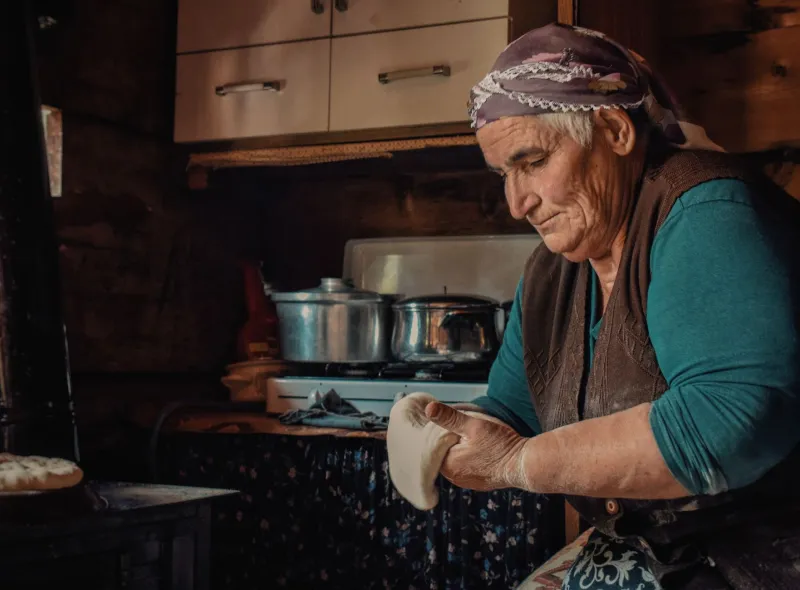
Food history rarely announces itself. It doesn't come with plaques or museum exhibits. More often, it lives in a handwritten notebook tucked into a kitchen drawer, or in the muscle memory of a seventy-year-old woman who learned to cook by standing next to her mother and watching without being told to watch.
Atatürhir — the neighborhood that grew from scattered villages into one of Istanbul's most dynamic districts — carries more culinary history than most people realize. The rapid urbanization of the past few decades buried a lot of it. Apartment towers replaced garden homes. Supermarkets replaced local producers. Younger generations moved toward convenience, and some of the old recipes moved toward extinction.
But not all of them. We spent weeks talking to longtime Ataşehir residents, digging into family archives, and eating our way through kitchens that time hasn't fully caught up with. What follows are five dishes — their histories, their cultural weight, and exactly how to make them.
1. Kara Lahana Kavurması (Black Cabbage Stir-Fry)
The Story
Black cabbage — the dark, crinkled leafy green known in the US as Tuscan kale or lacinato kale — arrived in Istanbul kitchens through families who migrated from the Black Sea coast (Karadeniz) in the mid-twentieth century. Ataşehir, which absorbed significant waves of these migrants, became an unlikely stronghold for this distinctly regional ingredient.
Hatice Hanım, 74, whose family relocated from Trabzon in the 1960s, keeps a jar of rendered butter in her refrigerator specifically for this dish. "You can use oil," she says, "but then it's not the real thing."
The kavurma technique — a high-heat sauté that borders on a light char — is what separates this from the limp, overcooked greens that give cabbage a bad reputation. When done right, the edges crisp while the center stays tender.
The Recipe
Serves 4 as a side
- 1 large bunch of lacinato kale (about 12 oz), stems removed, leaves roughly chopped
- 3 tbsp butter (or a mix of butter and olive oil)
- 4 cloves garlic, thinly sliced
- 1 tsp red pepper flakes
- Salt to taste
- Squeeze of lemon to finish
Heat butter in a wide pan over high heat until it begins to foam. Add garlic and red pepper flakes; stir for 30 seconds. Add kale in batches, letting it wilt before adding more. Cook, stirring occasionally, for 6–8 minutes until edges begin to brown. Season with salt, finish with lemon. Serve immediately.
Finding Ingredients in the US: Lacinato kale is now widely available at most American grocery stores, including Whole Foods and even many conventional supermarkets. The dish is approachable and affordable — a great entry point for anyone new to Turkish home cooking.
2. Arnavut Ciğeri (Albanian-Style Liver)
The Story
The name tells you something important: this dish arrived in Istanbul through the Ottoman Empire's Balkan connections, specifically from Albanian culinary tradition. It took root in neighborhoods like Ataşehir where the population mix was always more layered than outsiders assumed.
Mehmet Bey, 81, a retired butcher who once had a shop near Barbaros Mahallesi, can tell you exactly where the dish went wrong in most modern restaurants. "They fry it too long. The liver should be pink inside. Once it turns gray all the way through, it's finished — and not in a good way."
The dish is traditionally served with raw onion rings tossed in sumac and flat-leaf parsley — an acidic, bright counterpoint to the richness of the liver.
The Recipe
Serves 4
- 1 lb lamb or calf liver, cut into 1-inch cubes
- ½ cup flour
- 1 tsp salt, 1 tsp black pepper, 1 tsp paprika
- Oil for frying
- 1 large red onion, thinly sliced into rings
- 2 tbsp sumac
- Handful of flat-leaf parsley, roughly chopped
Toss onion rings with sumac and a pinch of salt; set aside for 20 minutes. Mix flour with salt, pepper, and paprika. Coat liver pieces in the flour mixture, shaking off excess. Fry in hot oil (375°F) in small batches for 2–3 minutes — no more. Drain on paper towels. Serve immediately topped with the sumac onions and parsley.
Finding Ingredients in the US: Calf liver is available at most butcher counters. Sumac can be found at Middle Eastern grocery stores or ordered online from retailers like Kalustyan's in New York.
3. Kabak Çiçeği Dolması (Stuffed Zucchini Blossoms)
The Story
This is a dish that exists at the edge of seasons and, increasingly, at the edge of memory. Zucchini blossoms have a narrow window — a few weeks in early summer — and the labor involved in stuffing them means they rarely make it onto restaurant menus.
But in Ataşehir households with older roots, the appearance of zucchini blossoms at the market was once a kind of seasonal event. Ayşe Hanım, 69, remembers her grandmother sending the children to the garden to collect the blossoms early in the morning before the heat wilted them.
The filling — a mixture of rice, herbs, and sometimes a touch of ground meat — is delicate and fragrant. The blossoms are folded closed, gently braised in olive oil and lemon, and served at room temperature.
The Recipe
Serves 4–6
- 20 zucchini blossoms, stamens removed
- ½ cup short-grain rice, rinsed
- 2 tbsp olive oil
- 1 small onion, finely grated
- 2 tbsp fresh dill, chopped
- 2 tbsp fresh mint, chopped
- Salt and pepper
- 1 cup water mixed with 3 tbsp olive oil and juice of 1 lemon
Sauté onion in olive oil until soft. Add rice; stir 2 minutes. Remove from heat; mix in herbs, salt, and pepper. Carefully fill each blossom with a teaspoon of filling and fold petals closed. Arrange in a single layer in a wide pot. Pour the water-oil-lemon mixture over. Cover and simmer on low heat for 25 minutes. Cool before serving.
Finding Ingredients in the US: Zucchini blossoms appear at farmers markets in summer, particularly in California and the Northeast. Some specialty grocery stores carry them seasonally.
4. Tarhana Çorbası (Fermented Grain Soup)
The Story
Tarhana is arguably one of the oldest preserved foods in Turkish culinary history — a fermented, dried mixture of wheat, yogurt, and vegetables that can last through an entire winter and still produce a deeply flavored soup. In Ataşehir, older residents remember making tarhana as a late-summer ritual, the whole household involved in mixing, fermenting, and drying.
The industrial version exists in powder form at Turkish grocery stores, and it's fine. But Refika Hanım, 77, still makes hers from scratch every August. "The store-bought kind is sour," she says, not entirely as a compliment. "Mine is sour and also something else."
That something else is time, culture, and the specific combination of tomatoes, peppers, and yogurt her mother used.
The Recipe (Using Store-Bought Tarhana)
Serves 4
- 4 tbsp tarhana powder (available at Turkish grocery stores)
- 5 cups chicken or vegetable broth
- 2 tbsp butter
- 1 tsp dried mint
- Red pepper flakes to taste
Whisk tarhana powder into broth until smooth. Bring to a simmer over medium heat, stirring frequently, for 15–20 minutes until thickened. In a small pan, melt butter and add dried mint and pepper flakes; pour over individual bowls as a garnish.
Finding Ingredients in the US: Tarhana powder is available at Turkish and Middle Eastern grocery stores. In cities with Turkish communities — New York, Chicago, Houston, Los Angeles — it's fairly easy to source.
5. Patlıcan Oturtma (Nestled Eggplant Casserole)
The Story
The name means something like "eggplant that has been settled in" — and the dish earns it. This is a slow-baked casserole where halved eggplants are roasted until collapsed, then filled with a mixture of ground meat, tomatoes, and peppers, and returned to the oven until everything melds together.
It's distinct from İmam Bayıldı (the more famous stuffed eggplant dish) in its use of meat and its texture — denser, more savory, less sweet. Ataşehir home cooks often trace it to Anatolian family roots, a dish that arrived with the families who settled the district in the 1950s and 60s.
Ali Bey, 72, says his mother made it every Friday. "It was the smell that told you the week was ending. When that came out of the oven, everything else could wait."
The Recipe
Serves 4
- 4 medium eggplants, halved lengthwise
- Olive oil, salt
- ½ lb ground lamb or beef
- 1 onion, diced
- 2 tomatoes, diced
- 1 green pepper, diced
- 2 cloves garlic, minced
- 1 tsp cumin, salt, pepper
- Fresh parsley to garnish
Score eggplant flesh, brush with olive oil, season with salt. Roast cut-side down at 400°F for 25 minutes. Flip; press flesh to create a well. Sauté onion and garlic until soft; add meat and cook through; add tomatoes, pepper, cumin, salt, and pepper; simmer 10 minutes. Fill eggplant halves with meat mixture. Return to oven for 20 minutes. Garnish with parsley and serve with rice or bread.
Finding Ingredients in the US: All ingredients are standard American grocery store fare. This is perhaps the most accessible dish on this list — and one of the most rewarding.
The Recipes Are the Easy Part
What's harder to preserve is the context — the knowledge of why these dishes exist, what they meant to the people who made them, and the specific circumstances that shaped their flavors. The elderly cooks of Ataşehir are, in many cases, the last living links to that context.
If you have a Turkish grandmother, a neighbor who grew up in Istanbul, or a family recipe notebook you've never fully read — now is a good time. The dishes can be reconstructed. The stories behind them are harder to recover once they're gone.