One Table, Everyone's Welcome: What Ataşehir's Communal Meals Can Teach American Families About Eating Together
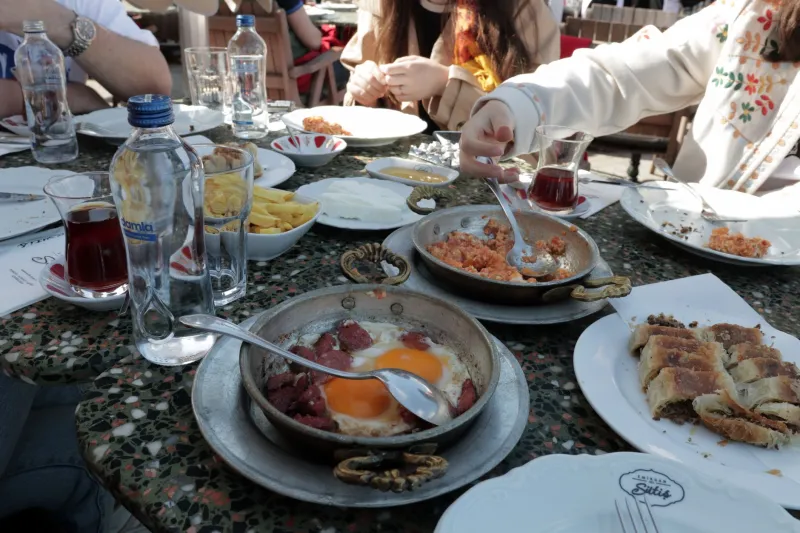
There's a moment that happens at nearly every meal in Ataşehir that doesn't have a direct translation in English. Someone passes a dish across the table before serving themselves. Someone else tears off a piece of bread and hands it to the person beside them without being asked. An elderly aunt gestures toward the youngest child at the table, making sure their plate is full before she even glances at her own. This is sofra kültürü — table culture — and in this corner of Istanbul, it's still very much alive.
For Americans, especially those living in cities where dinner often means a solo bowl of something in front of a screen, this kind of eating can feel foreign. Maybe even a little overwhelming. But spend enough time around an Ataşehir dinner table and you start to understand that the food, as good as it is, is almost secondary to what's really happening.
What "Communal Dining" Actually Means in Ataşehir
The word sofra refers to both the table itself and the entire culture of gathering around it. In Ataşehir's older neighborhoods and family apartments, sofra isn't a casual concept — it's a ritual. Meals are timed events. Everyone sits down together. Phones stay face-down, or more often, they don't appear at all. The food arrives in shared platters and wide bowls, not individual portions.
This isn't just aesthetic. It's structural. When food is served in the center of the table rather than pre-plated in the kitchen, something shifts. Conversation naturally flows around who needs more, what's running low, whether someone wants to try the dish they've been eyeing since it came out. The act of sharing food becomes the act of paying attention to each other.
Multi-generational presence at the table is also the norm rather than the exception. Grandparents, parents, kids, aunts, and neighbors who might as well be family — they all end up at the same sofra. The seating isn't random either. Elders are typically seated where they're most comfortable, usually away from the kitchen chaos. Younger family members move around more, refilling glasses, bringing dishes in from the kitchen, checking on guests. There's an unspoken choreography to it.
The Contrast Is Hard to Ignore
America's relationship with the dinner table has been shifting for decades. Studies from places like the American College of Gastroenterology and various family research institutions consistently show that shared family meals have declined sharply since the 1980s. Between longer work hours, overscheduled kids, and the rise of delivery apps, eating together has become something people aspire to rather than something they just do.
The default American dining model is increasingly individualized — different family members eating at different times, customized orders, meals that don't require anyone to sit down at all. Even when families do gather, the table can feel more like a pit stop than a destination.
In Ataşehir, the meal is the destination. You don't eat quickly to get back to something else. The meal is the thing you were doing.
Hospitality as a Practice, Not a Performance
One thing that strikes visitors to Ataşehir — and to Turkish homes generally — is how naturally hospitality flows. Guests aren't just welcomed; they're actively incorporated into the table's rhythm. An extra chair appears. A plate is added. More tea gets made. The assumption is always that there's room for one more, and that assumption is genuine rather than performative.
This comes from a deeply embedded cultural value: that feeding someone is one of the most direct ways to show them they matter. In Turkish, there's an expression — misafir on dakika önce gelir — which loosely translates to "a guest arrives ten minutes early," meaning you should always be ready before you think you need to be. The host's preparedness is an expression of respect.
For Americans who've grown up in a culture where hosting can feel high-stakes and stressful, this is a useful reframe. The point isn't a perfectly set table or an elaborate menu. The point is that everyone feels fed and seen.
Small Shifts That Make a Real Difference
You don't need to overhaul your entire kitchen routine to bring some of this energy into your home. A few specific changes can go a long way.
Serve from the center. Instead of plating food individually before it hits the table, try putting everything in the middle and letting people serve themselves and each other. It sounds minor, but it changes the dynamic almost immediately. Suddenly you're negotiating portions, noticing what others like, making small gestures of care.
Hold the phones. This one's hard, but it's probably the most impactful. Ataşehir's sofra culture works partly because everyone is actually present. A simple agreement — phones off the table for the duration of the meal — creates space for the kind of unhurried conversation that doesn't happen otherwise.
Invite the extra person. The Turkish instinct to always have room for one more is worth borrowing. Whether it's a neighbor, a coworker, or a friend who mentioned they'd be alone that weekend, extending the table is one of the most direct ways to build community.
Let the meal linger. American meals, on average, last around 20 minutes. Turkish family dinners routinely stretch to an hour or more, often followed by tea and conversation that pushes it even longer. You don't have to stay at the table for three hours, but building in a deliberate pause after eating — before anyone gets up to clear dishes or check their phone — shifts the whole feeling of the meal.
Include the generations. If you have kids and older relatives in your life, finding ways to get them at the same table more regularly pays dividends. The dynamic that emerges when different ages eat together is harder to manufacture in any other setting.
The Table as Common Ground
There's something quietly radical about Ataşehir's sofra culture in the context of modern American life. It insists that slowing down is worth it. That feeding someone well is an act of love. That the table is a place where relationships get built and maintained, not just where hunger gets addressed.
You don't need to be Turkish to feel the pull of that. Most people, when they really think about their best memories around food, aren't remembering what they ate alone. They're remembering who was there, what was said, how the evening stretched longer than anyone planned.
That's the sofra. And it's available to anyone willing to pull up a chair.