The Vegetable Nobody Wanted — Until It Was Almost Gone: Ataşehir's Quiet Fight to Save Teltow Turnip's Turkish Cousin
There's a particular kind of grief that comes with forgetting a flavor. Not the dramatic loss of a loved dish, but the slow, unremarkable disappearance of an ingredient so ordinary it slips out of the market stalls and off the table before anyone thinks to mourn it. In Ataşehir, that ingredient is the çelem — a stubby, dark-purple-skinned turnip with ivory flesh and a sharpness that sits somewhere between a radish and a proper turnip, with just enough bitterness to make it interesting.
A generation ago, çelem was everywhere. Winter stews had it. Pickled jars lined the backs of pantries. Grandmothers shaved it raw over bulgur salads. Now? Ask for it at most Istanbul grocery stores and you'll get a blank stare.
What Even Is a Çelem?
For American readers, think of çelem as a funkier, more assertive cousin to the purple-top turnips you might find at a farmers market in October. The skin is almost mahogany in color, the texture is firm and waxy, and the flavor — especially when raw — has a peppery kick that softens dramatically with cooking. Roasted, it turns nutty and slightly sweet. Braised in olive oil with onion and tomato paste, it becomes something deeply savory and almost meaty.
It's not a glamorous vegetable. It never was. That, in part, is why it disappeared.
"Nobody thought to protect it because it was poor people's food," says Hatice Hanım, a 71-year-old home cook who has lived in Ataşehir's Küçükbakkalköy neighborhood her entire life. "When the supermarkets came and everyone could suddenly buy whatever they wanted, the çelem stayed behind. It felt old-fashioned. Nobody wanted old-fashioned."
The Market Vendor Who Refused to Let It Go
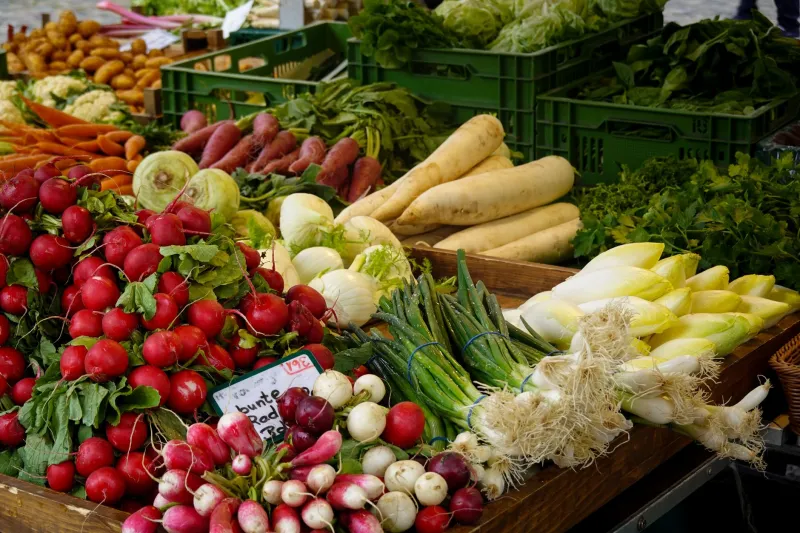
On Saturday mornings at the Ataşehir Pazarı, if you know where to look, you'll find a small wooden crate tucked beside the more glamorous winter squash and bundles of fresh dill. Inside: maybe two dozen çelem, their skins waxy and imperfect, priced at a fraction of the imported vegetables around them.
They belong to Recep Bey, a third-generation produce vendor whose family has sold vegetables in this district for over sixty years. He started sourcing çelem again about four years ago after a customer — an older woman who had moved back to Istanbul after decades in Germany — asked if he had any.
"She looked so disappointed when I said no," Recep Bey recalls, laughing. "So I made some calls. Found a grower out near Adapazarı who still had seeds from his grandfather. We worked something out."
He doesn't sell much — maybe thirty kilos on a good week. But the customers who find him are loyal in a way that his more casual shoppers aren't. Many are women in their sixties and seventies who grew up eating çelem. A few are younger cooks who heard about it from parents or stumbled across old recipe collections.
Why It Nearly Vanished
The story of çelem's disappearance is less dramatic than you might expect. There was no single villain, no policy that banned it, no blight that wiped out the crop. Instead, it was a slow accumulation of market indifference.
As Istanbul modernized through the 1980s and 1990s, large supermarket chains began dictating what vegetables growers should produce. Çelem didn't photograph well, didn't ship particularly well, and had a flavor profile that required a little culinary knowledge to appreciate. Farmers switched to higher-yield, more marketable crops. Seed stocks dwindled. The vegetable didn't disappear overnight — it just stopped being replanted.
"It's the same story as a lot of heirloom produce in the US," says food writer and Turkish diaspora community organizer Selin Doğan, who now lives in Chicago and has been documenting endangered Turkish vegetables for the past several years. "When industrial agriculture decides something isn't profitable, it stops existing commercially. And once the seed knowledge is gone, it's very hard to get back."
Doğan has been working informally with growers in the Marmara region to document and preserve çelem seed varieties, and she points to American parallels — the near-extinction of the Brandywine tomato, the disappearance of dozens of apple varieties — as context that might resonate with US readers.
How Ataşehir's Home Cooks Are Keeping It Alive
The preservation effort isn't centralized or organized. It's happening quietly, in home gardens and WhatsApp groups and neighborhood conversations. Hatice Hanım grows a small patch of çelem in containers on her apartment balcony — not enough to cook with regularly, she says, but enough to keep seeds from one year to the next. She gives seeds to neighbors. A few have started growing their own.
Other cooks are adapting. When çelem isn't available, some substitute with kohlrabi (close in texture, though milder) or a combination of turnip and daikon radish to approximate the flavor. It's not the same, they'll tell you quickly, but it keeps the recipes alive until the real thing can be found.
The dish most commonly associated with çelem in Ataşehir is çelem haşlaması — a simple braise of the turnip with olive oil, crushed garlic, dried red pepper flakes, and a splash of pomegranate molasses added near the end. It's winter food in the truest sense: humble, warming, and deeply satisfying in a way that doesn't ask for much attention.
How to Find and Cook Çelem in the US
Here's the honest truth: you probably won't find çelem at your regular grocery store. But you have options.
Turkish and Middle Eastern specialty grocers in cities with larger diaspora communities — think Brooklyn, Chicago, Houston, Los Angeles — occasionally carry it seasonally, usually between November and February. Call ahead and ask specifically; it may be labeled under regional names or simply as "black turnip."
Farmers markets with vendors who specialize in heirloom or unusual produce are another avenue. Describe what you're looking for — a dark-skinned, dense turnip with a peppery bite — and you might be surprised.
Online seed suppliers focused on heirloom Turkish and Eastern European vegetables have become more accessible in recent years. If you have a garden or even a decent-sized container setup, growing your own is genuinely feasible. Çelem is a cool-weather crop, planted in late summer for a fall or early winter harvest.
If you can't track down the real thing, kohlrabi is your best substitute for texture, and adding a small amount of daikon radish to your dish can approximate that peppery edge. It won't be identical, but the spirit of the recipe holds.
Why This Matters Beyond Nostalgia
It would be easy to frame the çelem story as pure sentiment — old women missing old food. But there's something more practical at stake. Every vegetable variety that disappears takes with it a specific nutritional profile, a specific flavor dimension, and a specific set of culinary possibilities. The homogenization of what we eat — in Turkey, in the US, everywhere — makes cooking less interesting and food systems less resilient.
And there's the cultural dimension. For Turkish diaspora families scattered across American cities, these endangered ingredients aren't just food. They're memory, identity, and connection to a place that exists as much in the kitchen as on any map.
Recep Bey puts it more simply. "When the old ladies find the çelem at my stall," he says, "they don't just buy it. They stand there and tell me about their mothers. Every time."
That's worth a crate of imperfect, unloved, nearly forgotten turnips. Every single Saturday.