No Words Needed: The Unspoken Table Etiquette That Runs Every Great Meal in Ataşehir
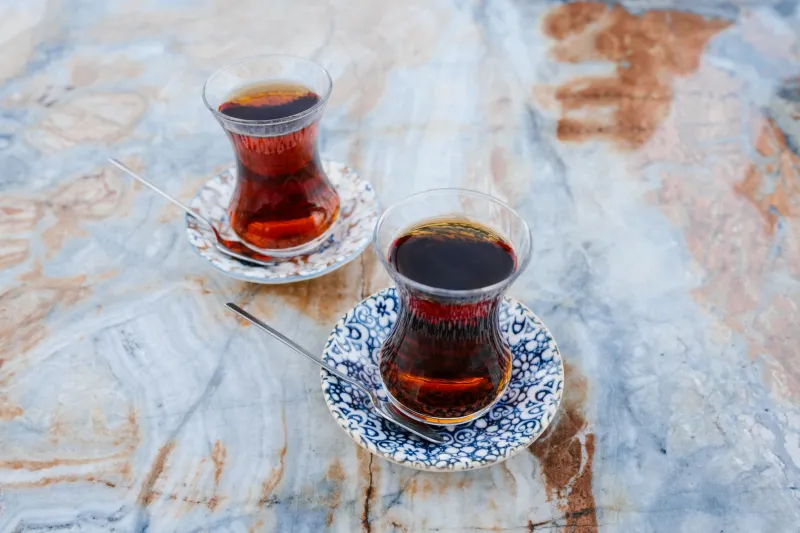
There's a moment that happens in certain Ataşehir restaurants — the kind that have been around long enough to outlast three rounds of neighborhood renovations — where a regular sits down, says absolutely nothing, and within four minutes has a glass of tea and a small plate of olives in front of them. No app. No loyalty card. No verbal order. Just a look, maybe a slight tilt of the chin, and the whole machinery of hospitality shifts into motion.
If you've ever eaten in one of these places and felt like you were missing something — like there was a conversation happening just below the surface of the meal — you weren't wrong. There was. And it's been going on for a very long time.
The Vocabulary Nobody Taught You
Call it a parallel language. Ataşehir's dining culture, rooted in Ottoman-era hospitality traditions that survived Istanbul's many reinventions, developed a rich set of nonverbal cues that govern everything from "I'd like more bread" to "please don't interrupt us right now" to "the food was genuinely wonderful, thank you."
These aren't formal rules written down anywhere. You won't find them in a guidebook or on a laminated card at the host stand. They're absorbed over years of meals — picked up by watching a grandmother's hands, mirroring an uncle's posture, noticing what a long-time regular does when they want the check without making a scene about it.
The spoon is probably the most expressive tool at the table. Resting it across the top of a tea glass signals you're done — not just with the glass, but often with the whole round of drinks. Leaving it upright inside the glass, on the other hand, quietly says "I might want another one, don't clear this yet." A gentle tap against the rim — soft, not impatient — can catch a server's eye without the awkward arm-raise that American diners often default to. It's not rudeness. It's rhythm.
What Your Hands Are Saying (Even When You Think They're Quiet)
Beyond the spoon, the whole body participates. A slight lean back in the chair, arms relaxed, is a signal of contentment — the meal is going well, no intervention needed. Leaning forward, elbows on the table, signals engagement and often invites a server to approach. In some of the older meyhanes near the district's busier commercial strips, experienced waitstaff read posture the way a good bartender reads a face.
Eye contact has its own grammar here. A brief, direct glance toward a server — not a stare, not a wave — is enough to open a channel. Sustained eye contact held for just a beat longer than a casual look means "when you get a moment." Experienced servers in Ataşehir's best spots are watching the room constantly, and they've learned to tell the difference between a diner who's just looking around and one who actually needs something.
The placement of shared dishes matters too. Pushing a plate slightly toward the center of the table is an invitation — help yourself, this is for everyone. Pulling it back toward your own setting (gently, without drama) signals it's yours and you're not quite finished with it. These movements happen instinctively among people who've grown up around Turkish communal eating, but they're legible to anyone willing to pay attention.
Why This Works Better Than Flagging Someone Down
American dining culture has a complicated relationship with getting a server's attention. The overhead wave. The loud "excuse me." The passive-aggressive stare that somehow communicates both urgency and apology at the same time. It's not graceful, and most people know it.
What Ataşehir's nonverbal system offers instead is something closer to a conversation — one where both parties are equal participants. The diner signals, the server responds, and nobody has to perform urgency or deference. It's a more comfortable dynamic for everyone, and it keeps the atmosphere of the meal intact. Nobody wants to feel like they're interrupting something good just to ask for another napkin.
There's also a trust element built into this system that's hard to manufacture through any other means. When a server reads your cues correctly without being asked, it communicates something powerful: I see you, I've been paying attention, you matter here. That's the foundation of genuine hospitality, and it's something that no amount of scripted table-side patter can replicate.
The Regulars Know Something the Tourists Don't
In Ataşehir's most beloved neighborhood spots — the kind with mismatched chairs and handwritten menus that change with whatever came in fresh that morning — regulars and staff operate in a kind of choreographed shorthand that can be invisible to first-time visitors. A regular might signal for the house wine simply by raising two fingers slightly off the tablecloth. Another might indicate they want the smaller portion by pressing thumb and forefinger close together, like they're measuring something small.
These micro-signals aren't gatekeeping. Nobody's going to look at you sideways if you just ask out loud for what you want. But for the diaspora communities who've carried these habits across oceans — to Turkish restaurants in Chicago, New Jersey, or Los Angeles — there's something deeply comforting about sitting down somewhere and realizing the staff speaks the same quiet language they grew up with. It's a form of recognition. A small, wordless welcome home.
Bringing It Back to Your Own Table
You don't have to be in Istanbul to start practicing some of this. The next time you're at a restaurant — Turkish or otherwise — try making eye contact instead of raising your hand. Rest your utensils in a way that signals completion. Lean back when you're happy and settled, and notice if the staff picks up on it. You might be surprised how much of this already exists in the unspoken rhythms of any good dining room.
And if you ever find yourself at a table in Ataşehir, watch the regulars. Watch how little they say and how much they communicate. Watch how the best servers move through a room like they're reading a room-length conversation in real time. It's one of the quietest, most elegant things about eating here — and it's been happening long enough that nobody even thinks to call it remarkable anymore.
That's usually the sign of something worth learning.