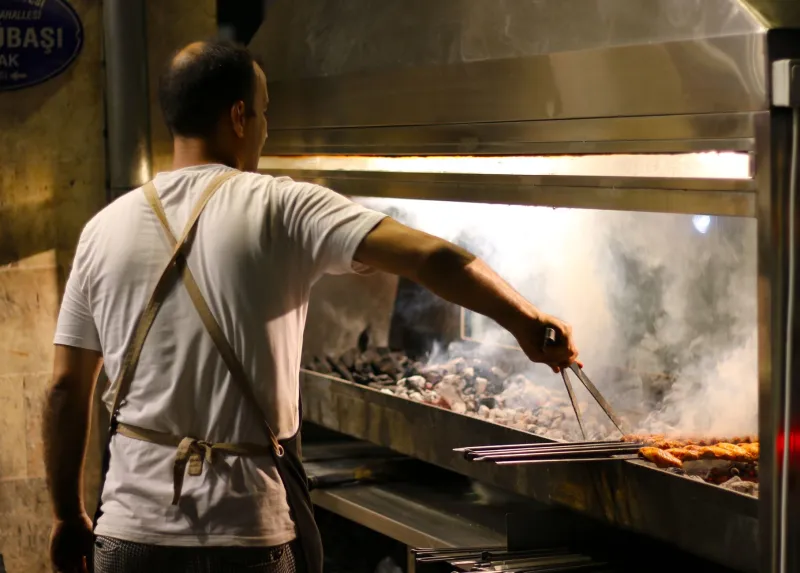
When the Pan Speaks: How Ataşehir's Master Cooks Listen Their Way to Perfection
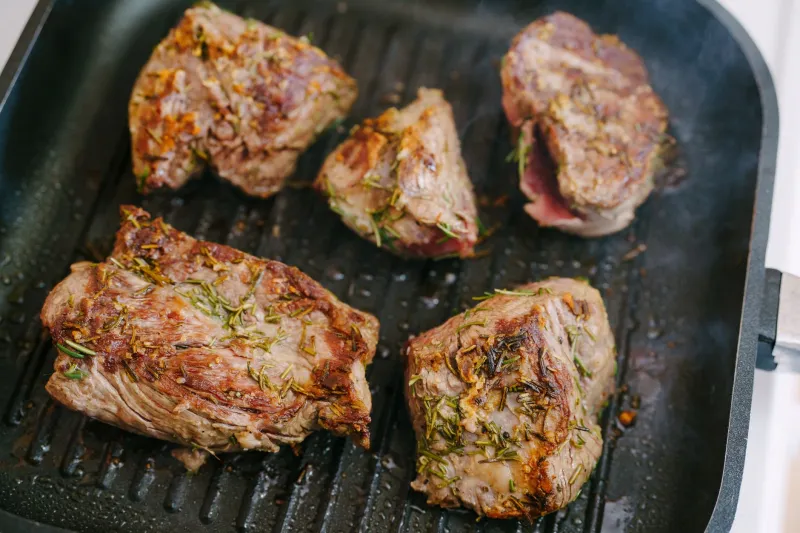
There's a moment in Hatice Hanım's kitchen — tucked into a fifth-floor apartment just off Ataşehir's main boulevard — when the whole room goes quiet. Not because anything has stopped. Because everything has changed. The lamb in her wide copper pan has shifted from a aggressive, almost angry sizzle to something softer, more even, more settled. She doesn't look at the pan. She doesn't reach for her phone. She just nods, almost to herself, and says, "Oldu." Done.
No timer. No thermometer. No app notification. Just forty years of listening.
This is the kitchen intelligence that doesn't come with a YouTube tutorial — and it's exactly the kind of thing that's quietly slipping away as modern cooking leans harder on gadgets, precision tools, and step-by-step video guides. In Ataşehir, though, a handful of home cooks and neighborhood ustalar (master craftspeople, in this case of the culinary kind) are still practicing what might be the oldest kitchen skill there is: using their ears.
The Language of Heat
Every cooking process has a sonic signature. Fat in a pan at medium heat makes a sound. Fat in a pan that's too hot makes a completely different one. The difference isn't subtle once you know what you're listening for — it's almost obvious. But most of us were never taught to pay attention.
"Americans cook with their eyes," says Mehmet Bey, a retired restaurant cook who now teaches informal cooking sessions out of his Ataşehir home on weekend mornings. "They watch the color. They watch the clock. But color lies sometimes, and clocks definitely lie. Sound doesn't lie."
He demonstrates with a simple onion sauté, the foundation of probably half the dishes in the Turkish repertoire. When the onions first hit the oil, there's a sharp, high-frequency crackle — almost a protest. As the moisture releases and the onions begin to soften, the sound drops in pitch and evens out into a steady, low hiss. When that hiss starts to fade and you catch the faintest whisper of caramelization — a kind of dry, papery sound beneath the sizzle — that's your signal. You're close to the edge. Another thirty seconds and you've got golden. Another minute and you've got burned.
"You can't see that transition coming," Mehmet says. "But you can hear it."
Spices That Announce Themselves
One of the most distinctive auditory moments in Turkish cooking happens when whole spices hit hot oil. Cumin seeds, dried red pepper flakes, coriander — they don't just flavor the oil, they speak in it. There's a rapid, almost frantic popping in the first few seconds, followed by a brief aromatic explosion (yes, smell is involved here too), and then the sound settles. That settling is the cue. The spices have bloomed. The oil has absorbed what it needs. Move quickly or you'll cross from fragrant into bitter.
Hatice Hanım describes this as "the spice telling you it's ready." She learned it from her mother, who learned it from hers, in a village kitchen outside Kayseri where there was no electricity and therefore no electric stove — just a wood fire that required constant acoustic attention.
"My mother never burned a spice," she says, smiling. "Because she was always listening. We didn't have a choice."
Meat, and the Three-Stage Sizzle
If onions and spices are the opening chapters of the acoustic cooking story, meat is the full novel. Experienced Ataşehir cooks describe at least three distinct sound phases when searing lamb or beef.
The first is what Mehmet calls the "screaming" phase — the immediate, violent sizzle when cold or room-temperature meat makes contact with a properly heated pan. This is loud, a little alarming if you're not used to it, and completely correct. It means the surface is searing rather than steaming.
The second phase, a few minutes in, is calmer. The surface moisture has cooked off, the crust is forming, and the sound becomes more of a steady, confident simmer. This is the phase where impatient cooks make their biggest mistake: moving the meat. "When it sounds like that," says Hatice, "it's talking to the pan. Don't interrupt."
The third phase is subtle — a slight drying out of the sound, almost like the sizzle is pulling back. That's the crust releasing. The meat is ready to be flipped, and it will come up cleanly without tearing. "The pan lets go when it's time," Mehmet explains. "You just have to hear it."
Why This Skill Is Fading
Both cooks are candid about what's happening to this kind of knowledge. Younger family members cook with induction burners that respond instantly to digital settings. They follow recipes with specific temperatures and exact minute counts. They use instant-read thermometers, which are excellent tools — but tools that bypass the need to ever develop an internal sense of what's happening in the pot.
"My daughter-in-law is a wonderful cook," Hatice says, carefully. "She follows everything perfectly. But if the internet goes down and she can't check the recipe, she gets nervous. I never get nervous. Because I know what I'm hearing."
This isn't a complaint about technology — it's a genuine observation about a knowledge gap. When the skill isn't passed down, it doesn't get reinvented. It just disappears.
Training Your Ears at Home
So what can an American home cook actually do with this? Mehmet has a few practical starting points.
First, cook with the fan off, at least sometimes. The range hood drowns out exactly the sounds you need to hear. Start building awareness in a quieter kitchen.
Second, pick one dish and cook it the same way ten times in a row, paying deliberate attention to what it sounds like at each stage. Onions are a perfect starting point. So is garlic. Both are unforgiving if you miss the moment, which makes them excellent teachers.
Third, resist the urge to stir constantly. Sound requires a steady state to be readable. If you're always moving things around, you're resetting the acoustic cues and making it harder to track progression.
And finally — listen with intent, not just as background noise. The kitchen is talking. Most of us just haven't learned the language yet.
An Invitation to Slow Down
There's something quietly countercultural about this approach in an era of air fryers with preset buttons and ovens you can control from your couch. Ataşehir's cooking elders aren't anti-technology — they're pro-attention. They're arguing, through their practice, that the kitchen rewards presence. That a dish cooked with full sensory engagement tastes different from one managed remotely.
Hatice puts it simply, plating a bowl of slow-cooked lamb that smells like it could stop traffic: "The food knows if you were paying attention."
She might be right. At the very least, it's worth listening for.